





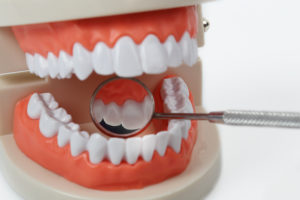
 Poor-fitting dentures can cause some significant problems for people that can lead to more serious health issues. If you feel as if your dentures are not fitting as they should or are starting to cause some discomfort or pain, it may be time for you to come in and have them looked at.
As we age, we will find that the gum ridges in our mouth begin to shrink which can then cause the dentures to become a bit loose. We may also find that our bone begins to shrink, and we have the same result- loose fitting dentures that cause our jaws to improperly align.
You may also begin to experience sore areas in the mouth and maybe even some stomach problems as it becomes increasingly more difficult to chew and eat as you had before.
If your dentures simply do not feel right, then you should see your dentist right away for treatment. Your dentures may need to be adjusted and evaluated and, in some cases, may even need to be relined or remade completely.
With proper care, dentures can usually last for several years. However, it is recommended that your dentures get replaced once every five to eight years because of the normal wear and tear they incur from regular use.
It is never advised that you try to make the repairs to your dentures yourself just because you want to avoid a trip to the dentist. The dentist has access to the proper tools that are needed to evaluate your dentures. Products you purchase over-the-counter often contain harmful chemicals that can cause significantly more damage to the dentures when used.
Again, with proper care, you can ensure that your dentures last for several years. This means you should brush the dentures every single day with a soft-bristled toothbrush to remove any instances of plaque or food from them.
When brushing your dentures, you should not overlook brushing your gums and tongue as well. Also, when you are not using your dentures, like when you are sleeping, for example, they should be kept in water or a denture solution that was recommended by your dentist.