



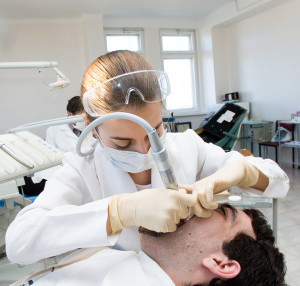
 Conscious sedation, or sedation dentistry as it is more commonly referred to, encompasses using pharmacological agents (sedatives) on a patient in order to calm and relax them before and during any dental procedure. Sedatives act as a central nervous system depressant, more specifically those functions associated with conscious awareness. In most cases, sedation dentistry benefits those individuals who have a fear or phobias about visiting the dentist, especially children. However, patients who have never experienced the benefits of this type of dentistry typically have certain questions that they need answered.
The following are some of the more common questions that we answer at Stony Brook Family Dentistry where sedation dentistry is concerned:
How many of your patients have dental anxieties or phobias? Roughly 10 million Americans are currently suffering with anxieties of fears of visiting the dentist. It is safe to say that anywhere from 40% to 50% of the patients we see currently have or have had some form of anxiety or phobia.
What are dental phobias and what causes them? Phobias are classified as irrational and occasionally disproportional fears which cause an individual to avoid what it is that they are afraid of. In this case, we are referring to a fear of visiting the dentist, even when they are going for a regular check-up.
What types of sedation are there? The 3 main types of sedation include:
At Stony Brook Family Dentistry, we offer oral conscious sedation which uses a mixture of nitrous oxide and oxygen in inhalant form. This provides the patient with a deeper sedative effect so they are less anxious and more relaxed about the dental procedure they are about to undergo. Most importantly, it is extremely safe and highly effective.
When oral sedation is used, does the person still need a local anesthetic? Although the patient is more relaxed during conscious sedation, the administration of a local anesthetic may still be necessary. The reason for this is because the perception of pain is not altogether eliminated during conscious sedation.
We want every one of our patients to have the most pleasant experience possible whenever they visit Stony Brook Family Dentistry and that is way sedation dentistry is one of the many dental services that we currently offer. If you have anxieties, fears, or phobias about visiting your dentist, please call us today so that we can provide you with more information about sedation dentistry and its benefits.