





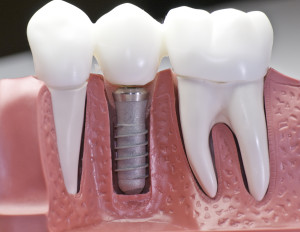
 It has been proven that dental implants are the most functionally effective and natural looking option for treating supporting structures and missing teeth, since they are more durable and stronger than alternative dentures and bridges are. Implants function and look like normal teeth while preserving the neighboring teeth’s quality and preventing the gum tissue and bone from collapsing.
Implant candidates have adequate bone and good oral health overall which a doctor will determine. Usually smokers are advised to quit before they undergo the procedure. Patients need to commit themselves to practicing good oral hygiene on an ongoing basis. While the implants are not vulnerable to decay, they may be affected adversely via infection from the surrounding gums.
It is very important to carefully choose an oral surgeon for this specialized and expensive procedure. A small screw holds the dental implant in and extends all the way into the jaw bone. Great skill must be used by a doctor to drill the pilot hole to avoid nerve and other types of damage to the jaw structure or face. To achieve the best results, most likely your surgeon will work with a team of other specialists, which include a prosthodontist who creates the crown and a periodontist.
When planning the procedure timing is very important. The surgery is done in either a hospital or dental office and may take several hours to complete. Recovery may take as long as seven days and during that time the patient will have to eat only soft foods. Once the initial screw has been inserted, you will need to wait as long as six months before the last procedure for the screw to anchor and heal completely.
During the osseointegration process a temporary crown is placed. The titanium screw irreversibly bonds to the living bone tissue. Once that phase is over, a permanent crown may be installed onto the screw. That step may take a few months since several fittings might be needed.
The best results are often achieved when you plan to start your implant process soon after the original tooth is removed. Work closely with your doctor to choose the best timing for having your procedure. One of the more common reasons why a dental implant fails is due to the healing process being improperly completed.
Other risks include sinus problems or infection. However, despite these risks, there is a 90 percent and higher success rate for dental implants, with certain placements achieving higher success rates compared to others.