




Nothing should be simpler than brushing your teeth, right? And yet, it sometimes seems there’s a wide variety of different interpretations about just when and how you should do it.
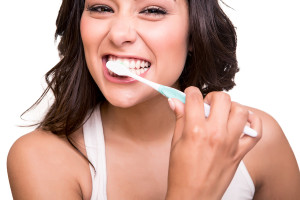 Dentists recommend that you brush your teeth at least twice a day. You can also brush your teeth after each meal. However, there is also a best time to brush your teeth!
Some types of meals and beverages can irritate your teeth and may damage the enamel if you brush too soon. This is especially the case with citrus fruits and other highly acidic foods.
Because of this, it’s a good idea to wait at least fifteen to twenty minutes after eating your food before you brush. However, for the best results you should brush within an hour after eating.
The plaque that forms on your teeth is caused by bacteria. The bacterial film that leads to tooth decay begins to form within about thirty minutes after you finish eating. This is because bacteria microbes are attracted to the small amounts of food on and in your teeth.
Naturally, plaque bacteria can settle more “comfortably” into the crevices of teeth such as your back molars and others with large chewing surfaces. However, people have a tendency to notice that their teeth are “dirty” when they feel their front teeth with their tongue.
How Many Times Should You Brush Each Day?
Most people brush two or three times a day. It is especially important to brush before going to bed, because bacteria will have the opportunity to colonize your mouth throughout the entire night.
Your toothpaste is usually sufficient to disrupt the formation of plaque and kill off harmful bacteria in your mouth. However, you might wish to try antibacterial mouthwash if your mouth is especially prone to infection or cavities.
Sometimes, people wake up the morning after using antibacterial mouthwash and notice a strange taste in their mouth. Generally, this is caused by the alcohol content in the mouthwash, and is nothing to be concerned about.
Remember that brushing too often can cause gum irritation. If gum irritation happens frequently, you should consider changing the bristles on your toothbrush, reducing the number of times you brush, or seeing a dentist.
Brushing doesn’t need to be complicated! If you have dental health concerns that you want advice on, simply call Stony Brook Family Dentistry today. We’ve been trusted by people all over Long Island and will be glad to help you.