





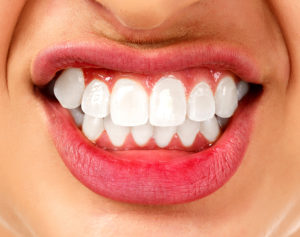
 Teeth grinding is something that typically happens most often at night during sleep, and a lot of people are unaware that they grind their teeth. However, if you experience any symptoms such as headaches or a sore jaw in the morning, then you may find that you are suffering from bruxism, or tooth grinding or clenching.
Tooth grinding is often caused by stress and anxiety but it can also be due to an abnormal bite or even missing and crooked teeth. Many people remain unaware of the problem until bigger issues begin to arise or someone informs them that they do this at night.
Tooth grinding can cause a multitude of problems including local muscular pain, headaches, loss of tooth structure, gum recession, loose teeth, tooth sensitivity, cracked and broken teeth, and damage to the bone structure of the jaw joint.
All of these issues may cause severe damage and if it persists can have much more of a negative impact on your tooth enamel, bone, gums, and jaw.
If a child is experiencing bruxism, many times, they will grow out of it with age. However, if it is a more severe problem, then other approaches may be needed to rectify the situation and save the health of your teeth.
First, a regular dental exam can help locate any signs of bruxism. The dentist will look for any changes in your teeth over a few visits and will be able to better determine to what extent the damage is and how bad the bruxism is.
Once this is established, they will then try to determine the cause and will ask questions regarding your general dental health, medications you may be taking, and other routines and sleep habits.
In most cases, a splint or a mouth guard will be enough to help treat the effects and correct the problem. The mouth guard is designed to keep the teeth separated as you sleep so there will be no damage due to the grinding or clenching.
In more severe cases, dental correction may be needed when the wear has caused sensitivity or have left you unable to properly chew. The damaged parts of the teeth may need to be reshaped, or crowns may be needed to repair the damage